

Wine Tasting Tips: The Survey, Swirl, Sniff, Sip and Swallow Approach to Tasting and Evaluating Wines
Appearance
Color – tilt the glass slightly and look at the wine against a white background. White wines can vary from almost transparent white to golden yellow to amber color (for sweeter whites). Red wines can vary from pink to ruby red to garnet to deep purple. Some older vintages may exhibit a brown or brick-red tint at the edge. Studies indicate a strong correlation between the density of a wine's color and the total tannins in the wine.
Clarity – white wines should look clear and bright. Red wines should also be clear. Any visible cloudiness or haze in a red wine may be attributable to sediment derived naturally in mature wines that while not dangerous or unhealthy, should have been removed by decanting prior to serving.
Bouquet or nose
Gently swirl the wine in the glass to release the flavors. Notice how the wine runs down the inside of the glass. These rivulets, called “legs,” are a function of the alcohol content. The general wisdom is that the more pronounced the legs the higher the alcohol content of the wine. However, the correlation between the two tends to be less than perfect.
There are many different aroma components in wine which are released by the wine's alcohol. These lighter-than-air components are discharged into the air where they can be picked up by your olfactory system or sense of smell.
Put your nose right into the glass and inhale the aromas and associate what you smell with familiar aromas, such as:
Fruits — apple, blackberry, cherry, fig, lemon, melon, plum, prune, raisin, raspberry, etc.
Herbs and spices — cardamom, cinnamon, clove, curry, pepper, nutmeg, ginger, etc.
Flowers — iris, violet, rose, etc.
Beverages and foods — cassis, chocolate, coffee, honey, tea, toast, vanilla, etc.
Woodlands — wild mushroom, cedar, leaves, leather, tar, oak, tobacco, moss, pine, smoke, etc.
“Off” odors — cork, mold, sulfur, etc.
Keep in mind that new aroma structures will develop over time as the wine matures in the bottle. This ageing process should enhance the wine's aromas and flavors. The same wine tasted several years later may have entirely different aroma and flavor profiles. However, not all wines are age-worthy. Some will "peak" early and the wine will seem fatigued rather than energized by the additional bottle ageing.
Taste
Take a generous sip and slosh the wine around in your mouth so as to coat your tongue and roof of your mouth. Then hold it for several seconds to enable the aromas to percolate in your nasal passages. Factors to consider in tasting the wine:
Acidity – the juicy, zingy quality of a wine. The right amount makes the wine crisp and fresh while too little makes the wine flat and uninteresting and too much is unpleasant.
Body – refers to the heft and weight of the wine in your mouth. Is it light, even watery, or heavy and full-bodied? This is to some extent a function of the wine’s alcohol content. High alcohol wines will generally have a heavier mouthfeel while lighter alcohol wines feel lighter in the mouth.
Residual Sugar or "Sweetness" – especially important in white wines which can vary from bone dry to dolce (sweet).
Flavor – as with bouquet, associate the wine's flavors with familiar flavors. For example, a wine's flavors may be described as fruity with berry-like flavors or floral, spicy, peppery or earthy flavors.
Tannin – an antioxident and natural preservative found in red wines that imparts a bitter or astringent taste in your mouth and back of throat 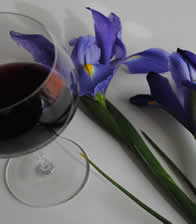 (also found in tea). Tannins are extracted from the grape skins, seeds and stems (and to a lesser extent from ageing in new oak barrels) and so are found exclusively in red wines. Tannins give substance and structure to a wine. Young red wines with pronounced tannins may need some cellar time to soften the tannins and enable other characteristics to emerge.
Texture – the feel of the wine in the mouth – smooth, velvety or perhaps astringent are common terms used to describe texture. "Creamy" is a term often used to describe the texture of rich wines that are low in acid. The best wines will have a great mouthfeel, being either silky or velvety in texture.
Balance – one of the most desired features in a wine is good balance whereby the various flavor components are in harmony with no individual component (such as acidity, tannin or oak, for example) present in excess. When all the parts are in harmony, the wine will have a sense of elegance and completeness and will also tend to age gracefully.
Keep in mind that a wine’s flavors can be heavily influenceed by the maceration, fermentation and ageing protocols used by winemakers. For example, stirring the dead yeast cells (called lees) back up into the wine during maceration, having the wine undergo a secondary (or malolactic) fermentation or simply the length of time the wine is kept in contact with the lees can all significantly alter the wine's flavor profile.
A wine’s flavors can also be influenced by the choice of fermentation and/or ageing container, whether it be steel tanks, wooden casks or barriques (small wood barrels) or some combination of these. Use of wooden (primarily oak) barrels can impart different flavors to the wine as well as alter its color, tannin configuration and texture. These enhanced flavors may either complement or dominate the finished wine.
Finish
This is the llast impression of the wine after it is swallowed. How long does the wine's taste linger? Fine wines have a clean, "long" finish, A long or lingering aftertaste is considered a plus while a short finish with little lingering aftertaste is a negative. However, a short finish doesn't necessarily indicate a "bad" wine, merely one that's fallen short and is unrewarding.
Stop and reflect on what you have tasted. Did you like it? If not, why not? Write down your comments. Notes are a handy reference in the event you have the opportunity to taste the same wine again or perhaps another vintage of the same wine.
It's OK to dump the remaining wine after tasting. All tasting rooms should have pour buckets for this purpose and if you don't see one, ask one of the tasting room staff to dump it for you.
©Richard Marcis
Updated November 29, 2015
For an in-depth review of 20 major wine grape varieties and recommended food pairings see WineTurtle's Types of Wine Grapes.
Return to Main Page
Help keep this website ad-free and independent.
Consider making a contribution to support the work of WineWordsWisdom.com.